
Japan Editorial Capture & Operations for international tech brands. Where editorial judgment becomes infrastructure.
Cap at 5 clients
Deliberately limiting client count maximizes depth of immersion — the foundation of Editorial Capture. Not broad and shallow — narrow and deep.
Editorial judgment is the product
Accumulated editorial judgment — your product, competitors, terminology — captured as brand-specific editorial memory. Not replicable by AI reading docs. Deepens in value over time.
Accountable for rankings
Evaluated by numbers in search results, not slides in a deck. Proof lives in rankings, not reports.
Human-written, AI-assisted
Google evaluates context. Only articles written and reviewed by Japan market specialists create true competitive advantage.
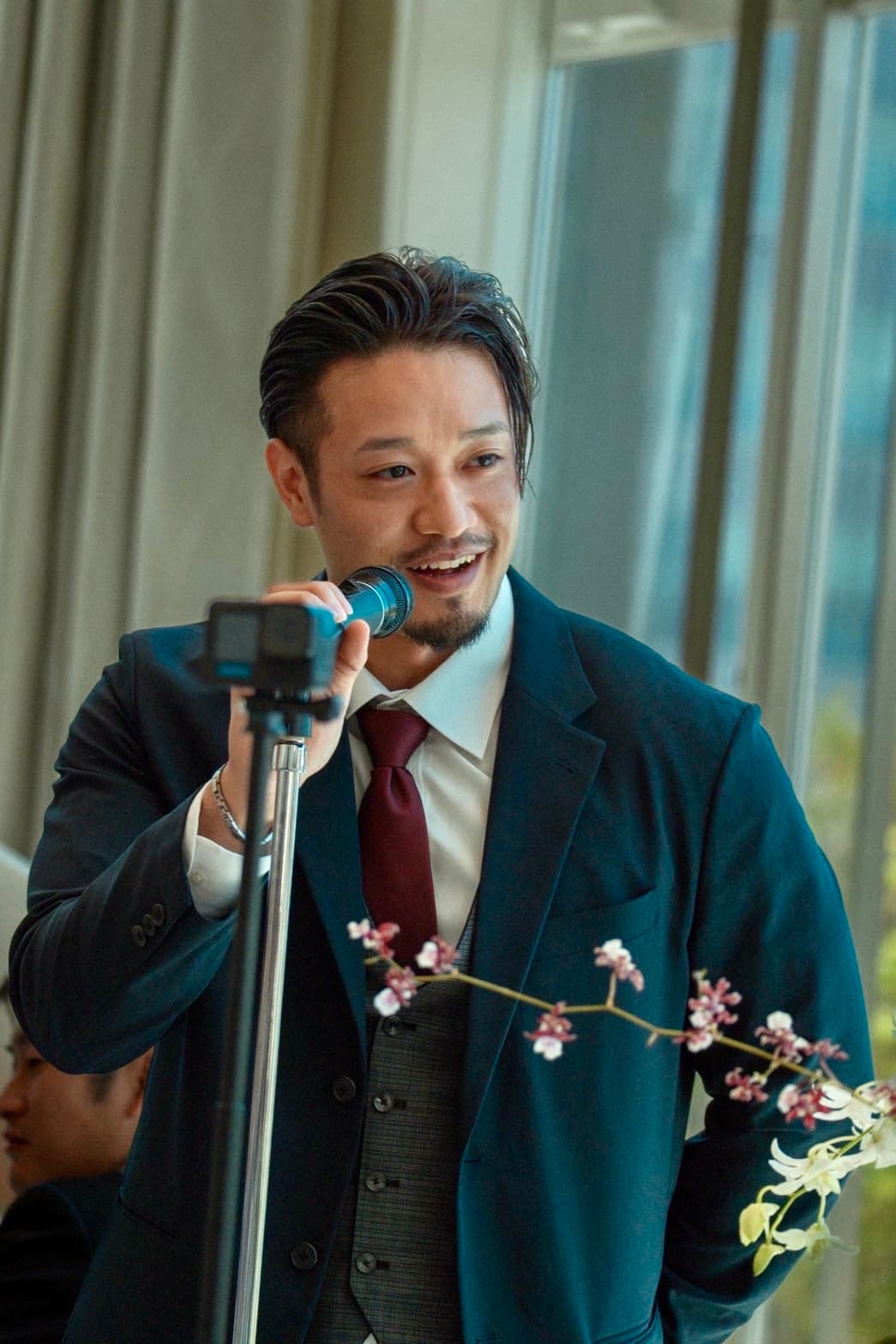
Renpei Yamamoto
Founder & CEO
Why I do this work
I've spent 8 years inside the Japan content stack for 5 international tech brands — across SaaS, AI tools, and software. Not as an agency. Not as a translator. As the embedded content lead inside each operation.
What I learned over those 8 years: most non-Japanese teams treat Japan as a translation problem. It's a re-architecting problem. The product is the same. The value prop is the same. But the writing gets rebuilt from the ground up — objection order, proof format, content depth, conversion path. The first time you see the pattern, it looks like luck. By the fifth, it looks like a system. By year eight, it looks like the actual architecture of how Japanese B2B readers process commercial content.
How I built this
Across 1,000+ articles, I built an editorial system that doesn't rely on AI alone:
- Production methodology — a repeatable workflow from competitor analysis to publication, refined across years of client engagements
- Quality assurance layers — every article passes through structured editorial checks before delivery
- Evidence-strength categorization — claims are categorized by source quality so HQ-ready reports stand up to scrutiny
- Brand-specific editorial memory — terminology, voice, and competitive landscape captured per client, never shared across engagements
What AI alone cannot do: read your roadmap deck, understand last quarter's competitive moves, catch tone drift across 30 articles, or rebuild a page structure that converts Japanese B2B buyers — not just translates one.
Why solo, by design
Solo by design, not by default. I work in writing, not in calls. Every strategy decision lives in writing — searchable, shareable with HQ, never lost in someone's memory. No 6am calls. No timezone friction. Quality of thought over speed of conversation. I operate from Tsuruga, Fukui, on the Sea of Japan coast — five hours from Tokyo, fully remote, async-first.
Scale dilutes context. Once you have 10 clients, no human can hold the product, voice, competitive landscape, and conversion architecture for all of them at once. Five is the ceiling that lets me stay close enough to each operation to maintain depth — not just throughput.
Currently
Up to 5 active engagements at any given time. Application-based — misalignment costs both of us. If we're not the right match, I'll tell you, often with a suggestion of a better path. If we are, the engagement compounds over months, sometimes years.
I don't share client numbers
Every other client deserves the same confidentiality. So what you'll see on this site is structural patterns and observations from 8 years of Japan content work — not their numbers. When the engagement is yours, that same confidentiality protects you.
See what we're building: Shipping Log.
Ready to win in Japanese search?
Share your goals in Japan, and ONSIGHT will respond with a tailored strategy overview.